Why do we love working in Video Games?
Spending hours cleaning driveways, making deliveries, or running a farm doesn't sound like much fun. Until you boot up a simulator.


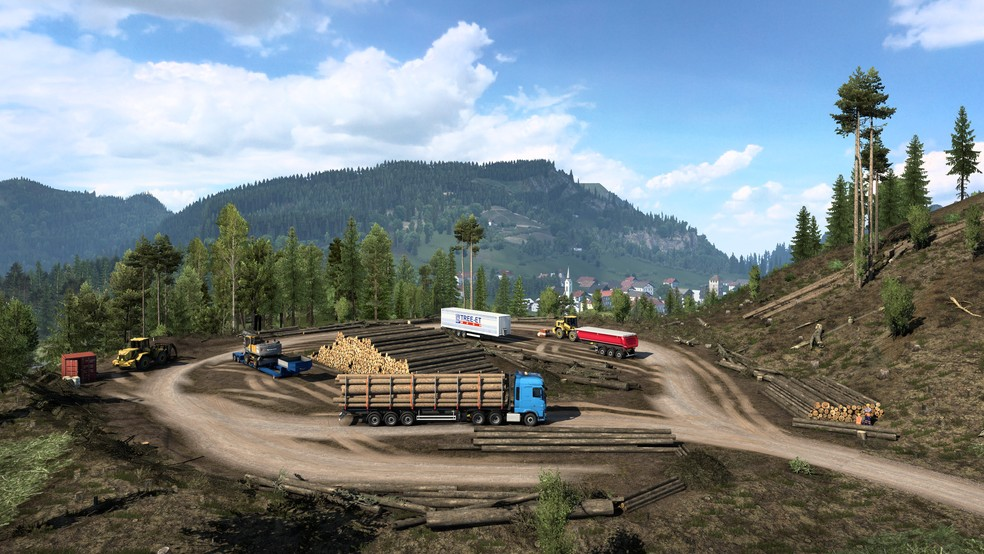
You've spent all day dealing with responsibilities. You finally get home, sit down to relax, and fire up a game. What are you playing tonight? A trucking job, a supermarket management shift, or three hours of pressure-washing someone's driveway.
Somehow, that sounds like a great evening.
In Stardew Valley, you're planting crops, looking after animals, and keeping a farm running. Euro Truck Simulator 2 turns long-distance deliveries into something people genuinely do to unwind. And PowerWash Simulator hands you a pressure washer and a list of filthy things. That's pretty much the pitch. Yet once you start cleaning, it's surprisingly hard to stop.
A lot of the appeal comes from seeing your effort pay off. Take Supermarket Simulator: you start with a nearly empty store, stock a few shelves, and serve your first customers. Those early sales help you buy more inventory, upgrade equipment, and expand the space. Before long, the tiny shop you started with actually looks like a business.
And that's where it gets dangerous. There's always one more upgrade within reach. You sit down for a quick session, then realize you're still playing because you almost have enough money for another fridge. Or maybe you're just one bundle away from restoring another room in the Community Center.
These games are especially good at making progress visible. Dirt disappears as you clean. Crops grow into something you can harvest. A delivery earns enough money to improve your truck. Even repetitive tasks become satisfying when you can clearly see what you've accomplished, especially compared with real life, where results aren't always so immediate.
That doesn't mean things stay peaceful. Anyone who's tried running a restaurant in PlateUp! knows how quickly dinner service can turn into absolute chaos. Even a cozy farming game can become a spreadsheet obsession once you start calculating which crops make the most money each season.
The difference is that you're choosing to do all of it. You can optimize every detail or take things at your own pace. Tired of farming? Go fishing. Don't feel like expanding the store yet? Leave it for tomorrow.
Simulation games take familiar chores and strip away many of the frustrations that come with doing them for real. What's left is the satisfaction of figuring things out, making improvements, and watching everything come together.
Besides, cleaning an entire house is a lot more appealing when you don't have to get off the couch.
Comments
No comments yet. Be the first to reply!